

Partial vs. Full PPF Coverage
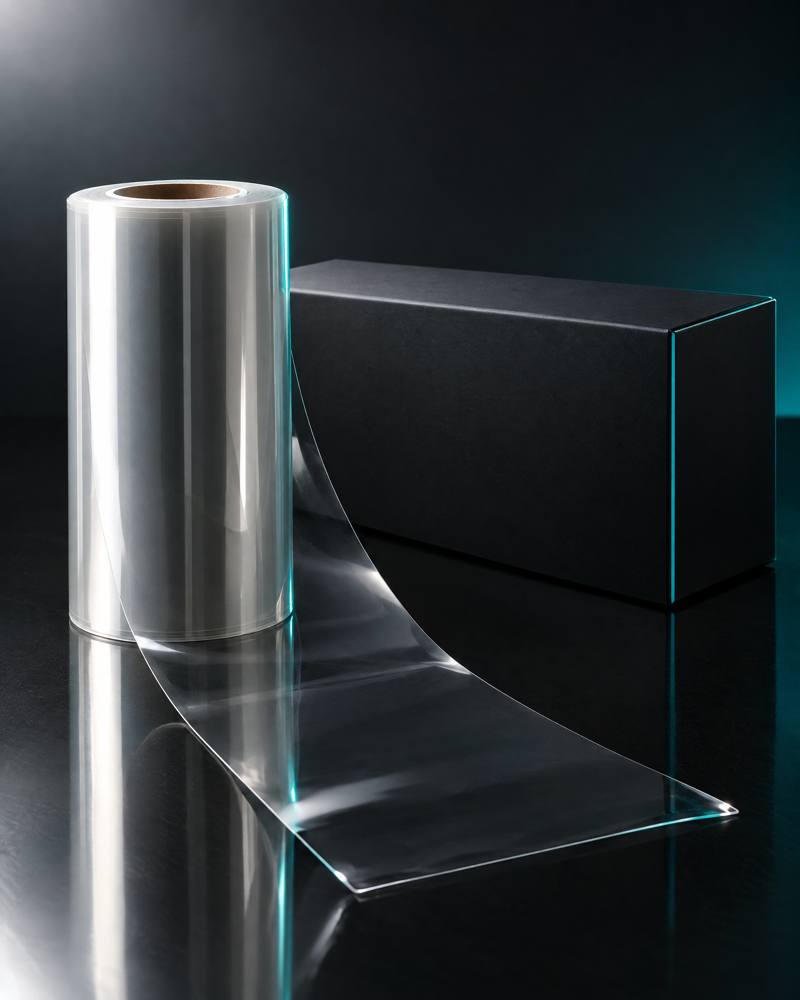
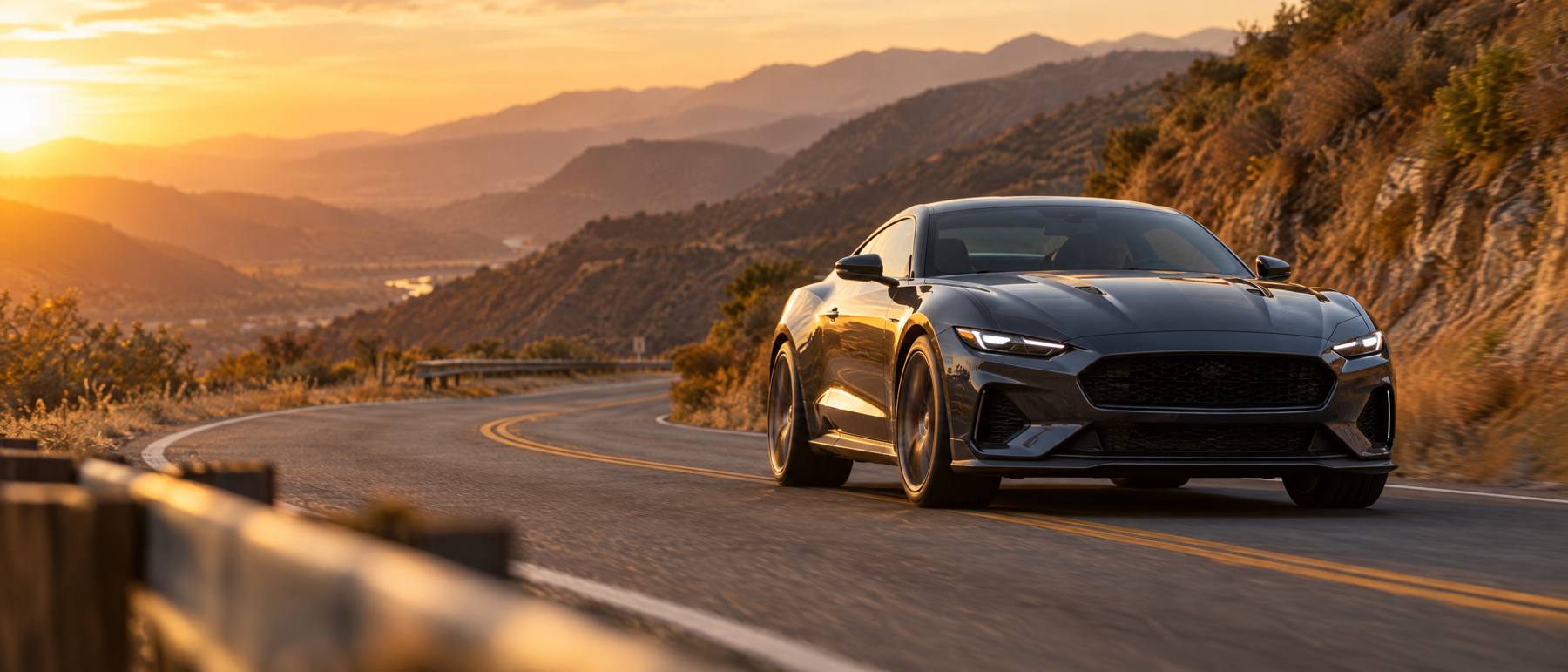
Paint Protection Film (PPF) is a valuable investment for vehicle owners aiming to preserve their car’s exterior from road debris, scratches, and environmental damage. However, debating between Partial vs. Full PPF Coverage requires careful consideration of various factors, including budget, driving habits, and vehicle usage. This guide provides a strategic approach to help you make an informed decision that aligns with your needs and financial considerations.
Understanding PPF Coverage Options
Partial PPF Coverage
Partial PPF coverage focuses on protecting the most vulnerable areas of your vehicle, typically including:
- Front bumper
- Hood (partial)
- Fenders (partial)
- Side mirrors
Pros:
- Cost-Effective: Partial coverage is more affordable, with prices ranging from $500 to $2,000, depending on the vehicle and installer.
- Targeted Protection: Focuses on areas most susceptible to damage from road debris and insects.
- Shorter Installation Time: Less surface area means quicker application.
Cons:
- Visible Edges: The transition between protected and unprotected areas may be noticeable.
- Limited Coverage: Leaves other parts of the vehicle exposed to potential damage.
Full PPF Coverage
Full PPF coverage encompasses the entire painted surface of the vehicle, including:
- Full hood
- Full fenders
- Doors
- Roof
- Rear bumper
- Trunk
Pros:
- Comprehensive Protection: Safeguards the entire vehicle against various forms of damage.
- Enhanced Aesthetics: Provides a uniform appearance without visible edges.
- Higher Resale Value: Maintains the vehicle’s exterior in pristine condition, potentially increasing resale value.
Cons:
- Higher Cost: Full coverage can range from $2,500 to $6,000 or more, depending on the vehicle size and film quality.
- Longer Installation Time: Covering the entire vehicle requires more time and labor.
Strategic Considerations for PPF Coverage
Assessing High-Impact Areas
Identifying the parts of your vehicle most prone to damage is crucial. For instance:
- Highway Drivers: Front-end areas are more susceptible to rock chips and debris.
- Urban Drivers: Side mirrors and doors may be more prone to scratches and dings.
Focusing PPF application on these areas can provide significant protection while optimizing costs.
Budget Optimization Strategies
Balancing protection and budget involves:
- Prioritizing Coverage: Start with partial coverage on high-impact areas and expand as budget allows.
- Choosing Film Quality: Standard films are more affordable but may offer less durability compared to premium options.
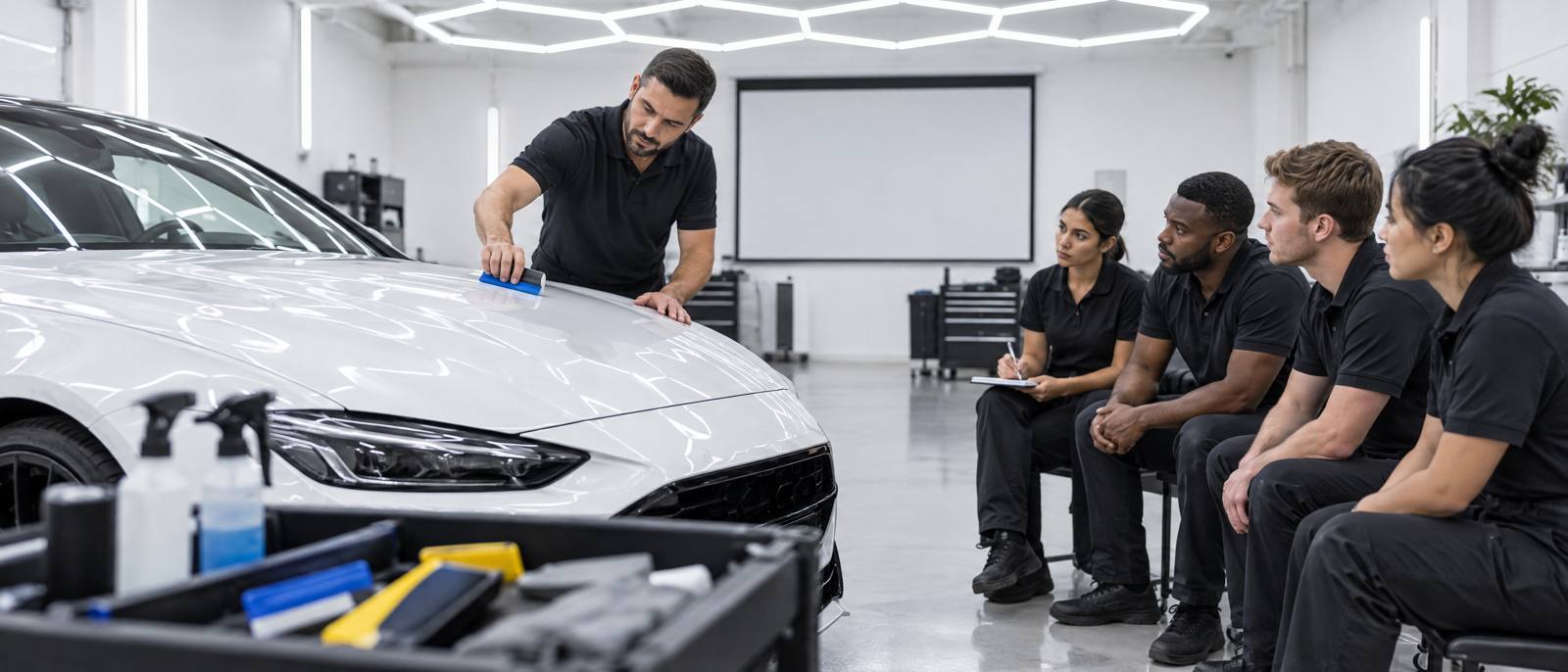
- Installer Selection: Experienced installers may charge more but can ensure better application and longevity.
Customizing Based on Driving Habits
Your driving environment influences the type of coverage needed:
- Frequent Highway Driving: Consider full front-end coverage to protect against high-speed debris.
- City Driving: Partial coverage focusing on doors and bumpers may suffice.
- Off-Road Driving: Full coverage is advisable to guard against scratches from vegetation and rough terrain.
Staged Installation Approaches
Implementing PPF in stages can be a practical approach:
- Initial Stage: Apply PPF to the most vulnerable areas within your current budget.
- Future Stages: As finances permit, expand coverage to additional areas.
This method allows for immediate protection while planning for comprehensive coverage over time.
Maintenance Considerations
Maintenance requirements differ between partial and full PPF coverage:
- Partial Coverage: Requires careful washing to avoid lifting edges; unprotected areas remain vulnerable.
- Full Coverage: Simplifies cleaning and provides uniform protection, reducing the risk of damage during maintenance.
Regular inspections and proper cleaning techniques are essential to prolong the life of the PPF.
Conclusion
Choosing between partial and full PPF coverage depends on various factors, including budget, driving habits, and long-term vehicle ownership plans. Partial coverage offers a cost-effective solution for protecting high-impact areas, while full coverage provides comprehensive protection and maintains the vehicle’s aesthetic appeal. By strategically assessing your needs and considering staged installation, you can effectively balance protection and budget. Book your PPF service with Nano Pro PPF today.